
7 Mistakes You're Making with Your Current Office Space (And How Therapists Are Fixing Them)
Fightress Aaron
1/7/20265 min read
Your office space directly impacts your ability to serve clients effectively. Yet many therapists and wellness professionals unknowingly make critical mistakes that undermine their practice's success and their own well-being.
These oversights create barriers to focused work, compromise client confidentiality, and drain your energy before you even begin a session. The good news? Forward-thinking therapists have identified these problems and found elegant solutions.
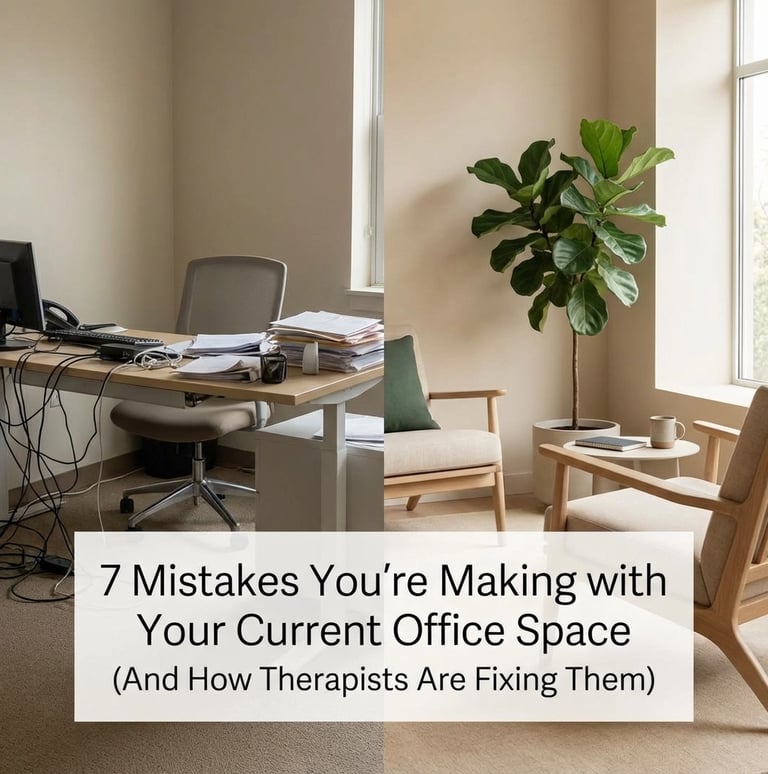
The Mistake: You've turned your office into a storage unit, meeting room, and workspace all at once. Files pile up on every surface. Client materials mix with personal items. The space feels cluttered and overwhelming.
This cramped approach creates multiple problems. Clients notice the disorganization, which can undermine their confidence in your professionalism. You waste precious time searching for materials. The visual chaos increases stress levels for both you and your clients.
How Therapists Are Fixing It: Smart wellness professionals are choosing dedicated spaces designed specifically for their work. They're moving away from makeshift home offices and into purposefully designed environments that separate different functions.
The most successful practitioners prioritize clean, organized spaces where every element serves a specific purpose. They're discovering that a serene office environment naturally supports both focus and healing.
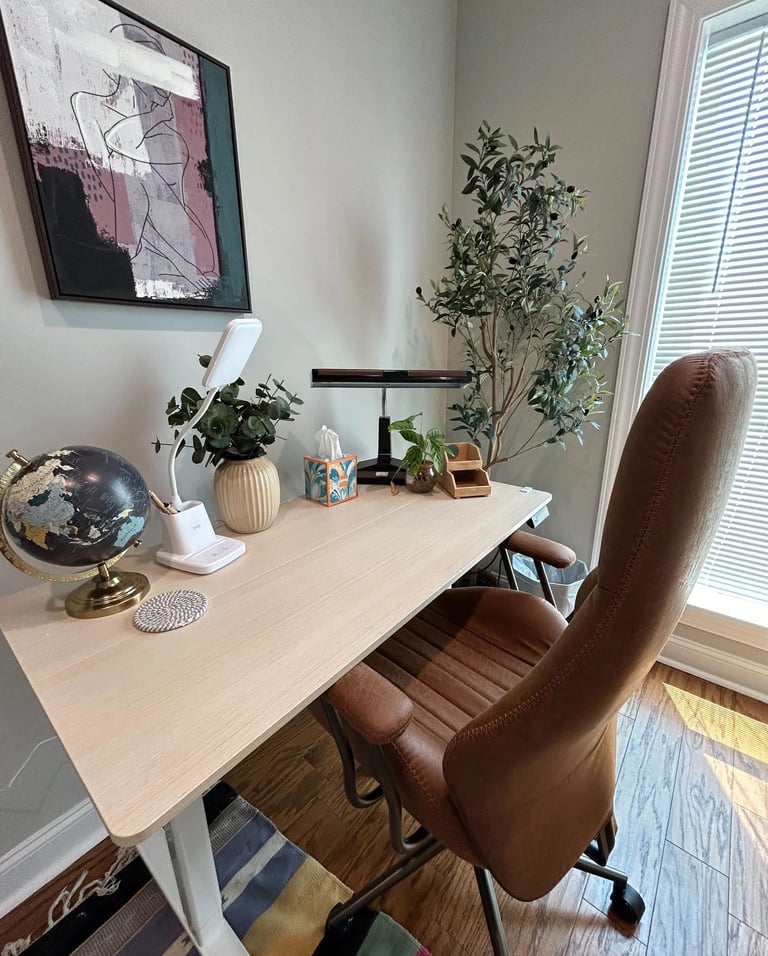
2. Ignoring Natural Light and Creating Dark, Depressing Spaces
The Mistake: You're working in spaces with limited natural light, relying heavily on harsh artificial lighting that creates a clinical, unwelcoming atmosphere.
Poor lighting affects everyone's mood and energy. Clients may feel uncomfortable or even claustrophobic in dark spaces. For therapists, inadequate lighting leads to eye strain, fatigue, and decreased productivity throughout the day.
How Therapists Are Fixing It: Progressive wellness professionals seek out office spaces that prioritize natural light. They understand that bright, naturally lit environments create positive associations for clients and improve therapeutic outcomes.
The solution involves choosing spaces with large windows and thoughtful lighting design. Many therapists are discovering that wellness coworking spaces specifically design their environments to maximize natural light and create uplifting atmospheres.
1. Cramming Everything Into One Chaotic Space
3. Sacrificing Privacy for Cost Savings
The Mistake: You're working in shared spaces where conversations can be overheard, phone calls get interrupted, and client confidentiality becomes compromised.
This mistake is particularly damaging for therapists. Client trust depends on knowing their personal information remains completely private. Even the perception of compromised confidentiality can harm therapeutic relationships.
How Therapists Are Fixing It: Experienced practitioners prioritize private office for therapists arrangements that guarantee confidentiality. They're willing to invest in spaces that provide soundproofing and complete privacy.
The smartest therapists choose luxury office space options that combine privacy with professional amenities. They understand that protecting client confidentiality isn't negotiable, regardless of cost considerations.
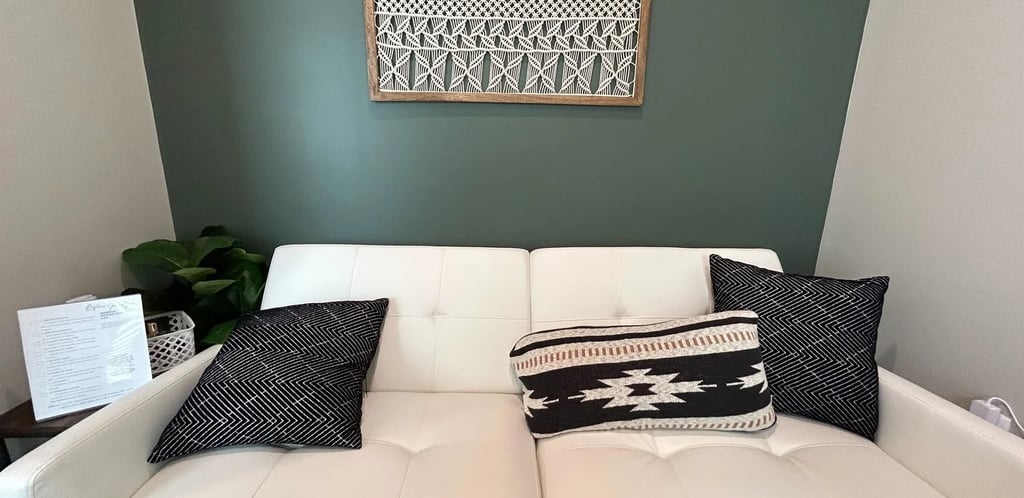
4. Using Uncomfortable, Generic Furniture
The Mistake: You've filled your space with whatever furniture was available or affordable, without considering how it affects long sessions or client comfort.
Uncomfortable seating creates physical discomfort that distracts from therapeutic work. Generic office furniture sends the message that you don't prioritize the client experience. Poor ergonomics affect your own physical health during long workdays.
How Therapists Are Fixing It: Thoughtful practitioners invest in comfortable, high-quality furniture that supports both their work and their clients' comfort. They choose pieces that create a welcoming, professional atmosphere.
The most successful wellness professionals seek out spaces that come pre-furnished with carefully selected, ergonomic furniture. This approach eliminates the guesswork and ensures every piece contributes to a healing environment.
6. Choosing Spaces That Don't Support Your Brand
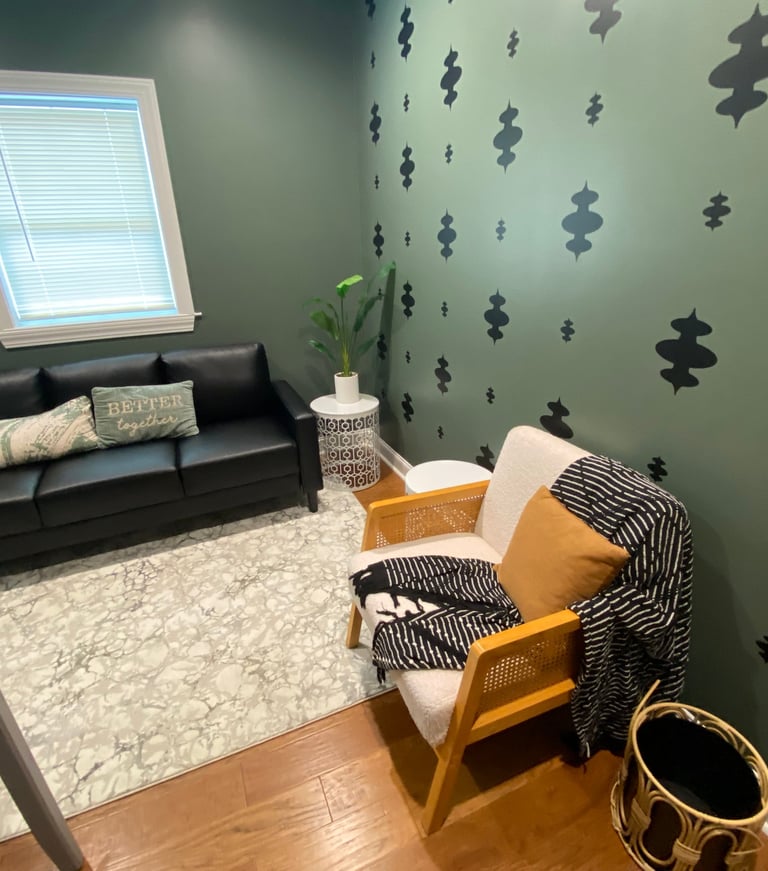
The Mistake: Your office space feels disconnected from your therapeutic approach or professional brand. The environment doesn't reinforce the healing work you do.
Misaligned spaces confuse clients about your approach and professionalism. Generic office environments fail to create the right emotional context for therapeutic work. Clients may struggle to transition into a therapeutic mindset in spaces that feel businesslike rather than healing-focused.
How Therapists Are Fixing It: Successful practitioners choose spaces that naturally align with their therapeutic approach. They seek environments that feel intentional, calming, and professionally designed.
The trend is toward oasis office space options that create an immediate sense of peace and well-being. These environments support the therapeutic process before sessions even begin.
7. Accepting Inflexible Arrangements That Don't Grow With Your Practice
The Mistake: You're locked into rigid office arrangements that can't adapt as your practice evolves, client base changes, or professional needs shift.
Inflexible arrangements limit your practice's growth potential. You might outgrow the space but feel trapped by long-term commitments. Changing needs go unmet because your space can't adapt.
How Therapists Are Fixing It: Forward-thinking wellness professionals choose flexible arrangements that can evolve with their practices. They seek spaces that offer various membership levels and can accommodate changing needs.
The smartest practitioners explore wellness coworking space options that provide flexibility without sacrificing quality or privacy. They choose arrangements that support both current needs and future growth.
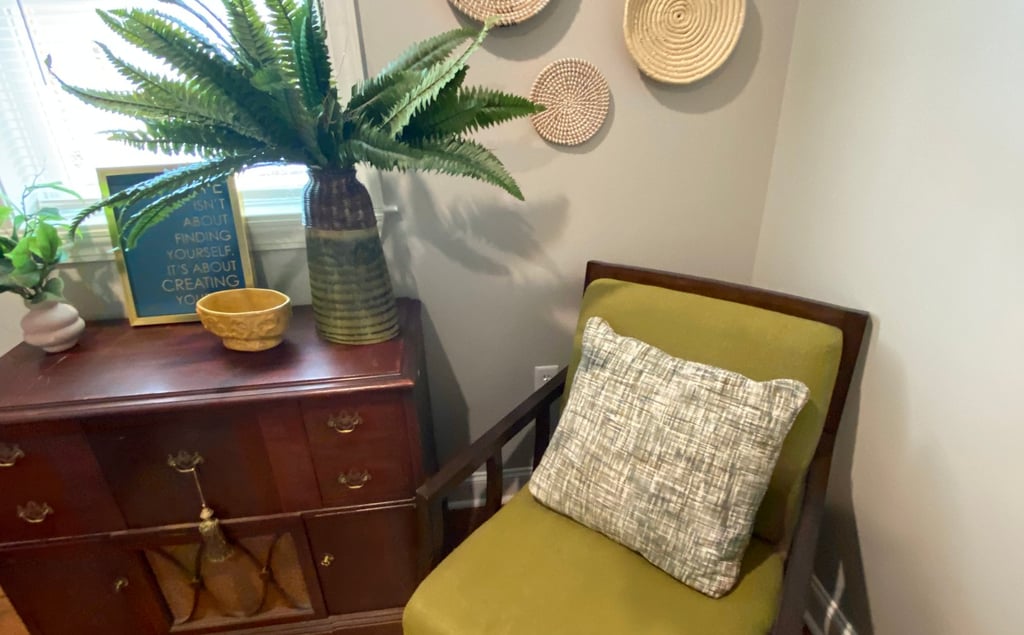
The Common Thread: Intentional Environment Design
These mistakes share a common theme: they stem from treating office space as an afterthought rather than a crucial element of professional success. The therapists who avoid these pitfalls understand that their environment directly impacts their effectiveness and their clients' experience.
The solution isn't just about avoiding mistakes: it's about actively choosing spaces designed with wellness professionals in mind. These therapists prioritize environments that support their work, protect client confidentiality, and create positive associations with the therapeutic process.
Ready to Transform Your Practice Environment?
Your office space should enhance your work, not hinder it. If you're recognizing these mistakes in your current arrangement, you're not alone: and you don't have to settle for less than ideal conditions.
Discover how a purposefully designed wellness environment can transform your practice. Explore our private office options or book a tour to experience the difference intentional design makes for both you and your clients.
Your practice deserves a space as thoughtful as your approach to healing.
5. Neglecting Sound Control and Acoustic Privacy
The Mistake: You're working in spaces where outside noise intrudes on sessions, or where your conversations might be overheard by others.
Sound issues destroy the therapeutic atmosphere. Clients can't focus when distracted by noise. Concerns about being overheard prevent clients from sharing openly. Background noise creates stress and reduces session effectiveness.
How Therapists Are Fixing It: Professional therapists prioritize acoustic privacy when selecting office spaces. They look for environments designed with sound control in mind.
The solution involves choosing wellness office space for rent that includes proper soundproofing and acoustic design. Many are finding that specialized coworking spaces for wellness professionals address these acoustic needs from the ground up.
Contact
Open 24/7 for members.
Office Tours Must Be Scheduled. Not Open To the Public
hello@wellnessoasispikeroad.com
© 2025. All rights reserved. | Terms & Conditions